Sweatpants and Shorts as a Foundation: How to Layer Using HMDD
A lot of folks approach layering like nothing more than a cold-weather chore, rather than a method for building a true outfit. This view doesn’t hold up, above all when HMDD sweatpants and HMDD shorts are the pieces you’re starting from. Happy Memories Don’t Die has built a design ethos around comfort-first shapes that maintain structure in a fit, and this dual nature is precisely what makes layering around them so doable. You’re not fighting bulky fabric or struggling against a logo that dominates every frame. You’re building around clean lines that let a hoodie, a jacket, or a simple tee take center stage up top while the bottoms anchor the outfit below.
What follows walks through how to actually build layered outfits around HMDD sweatpants and HMDD shorts throughout different seasons, occasions, and proportions. We’ll dig into fabric weight, color stacking, and the subtle styling decisions that set apart a hastily assembled outfit from one that looks intentional. For anyone who’s gone through an hmdd review or two but still isn’t sure how these pieces fit into everyday wear, consider this the hands-on continuation.
What Makes HMDD Bottoms Work So Well as a Layering Foundation
A lot of layering conversations center around the top half — jackets, flannels, vests — and treat the bottom half as an secondary concern. That’s a mistake with HMDD clothing specifically, because the brand’s sweatpants and shorts are designed with enough purpose that they function as a structural centerpiece, not just a throwaway item. A slim-cut sweatpant leg or a shorts cut that sits at a consistent length gives you a predictable base to build from, which is more important than most assume when you’re layering three or four garments in one outfit.
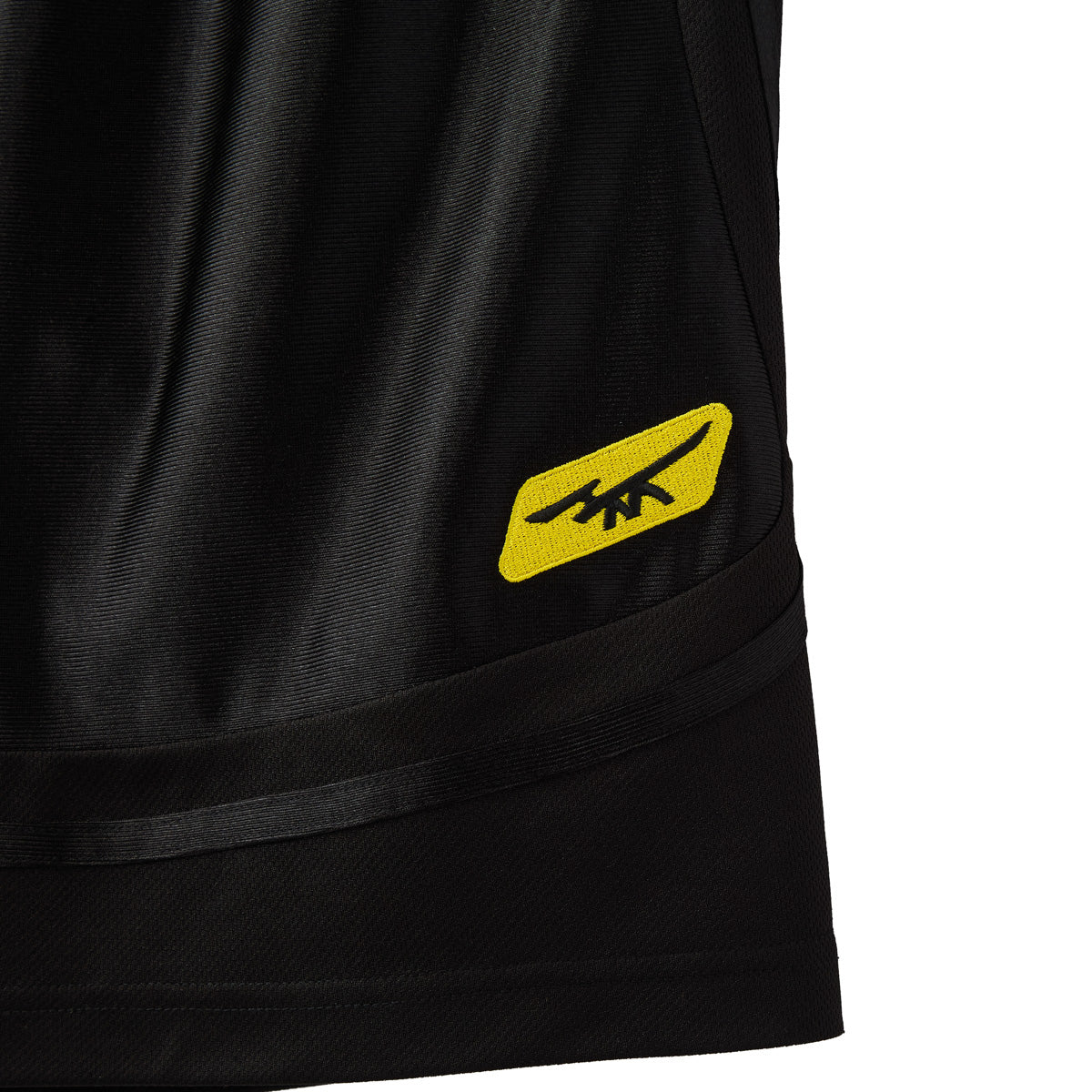
Consider it in terms of proportion math. When the bottoms lack structure and sit loose, whatever you layer above has to counterbalance — either tighter or shorter — otherwise the entire look ends up shapeless. HMDD sweatpants generally taper toward the ankle, which means you can hmdd hoodies layer a longer overshirt or an roomy hoodie on top without the silhouette collapsing into a single blob of fabric. This same principle carries over to HMDD shorts in warmer months — a tidy hemline and consistent rise mean you can layer a lightweight jacket or a button-down shirt over a tee without the bottom half fighting the top half for attention.
On top of that, there’s a material case here. Denser fleece-weight sweatpants keep a structured line more effectively than lightweight cotton-poly mixes, which means they photograph better and wear better over the course of a day. This is one reason why hmddla has emerged as a go-to term in internet discussions for people zeroing in on the label’s LA-tinged, streetwear-leaning items — a flat product photo just doesn’t convey how the fabric’s weight and drape feel in real life, and once you’ve handled it, the layering logic makes more sense.
Cold-Weather Outfit Layering With HMDD Sweatpants
Begin with the sweatpant as the constant and construct upward using three layers: a base tee, a mid hoodie or crewneck, and an outer jacket. Most cold-weather streetwear outfits rely on this three-layer framework, which succeeds because each piece has a clear role. The inner tee handles temperature regulation nearest the body. The hoodie adds bulk and a graphic or logo moment. Whether it’s a shell, a denim trucker, or a coach jacket, the outer jacket shapes the silhouette when viewed from afar.
Specifically with HMDD sweatpants, the tapered fit means you can add more bulk above without throwing off the proportions. A drop-shoulder hoodie paired with a mid-length puffer over HMDD sweatpants creates a deliberately oversized-on-top, fitted-on-bottom shape that’s held sway in streetwear styling for a good stretch of years and shows no sign of fading in 2026. The key measurement to watch is hoodie length relative to jacket length — if your hoodie hem falls more than two or three inches below your jacket hem, the layering reads as sloppy rather than intentional. Tighten that gap and the entire outfit falls into place.
Sequencing your colors is just as important as the fit itself. Rather than switching between unconnected tones at every layer, a three-layer cold-weather fit built around HMDD sweatpants should typically transition from dark to light or vice versa, bottom to top. Charcoal sweatpants, a heather grey hoodie, and a black shell reads as considered. Charcoal sweatpants matched with a bright graphic hoodie and an olive jacket looks unplanned, unless a clash-style look is the deliberate goal, which is its own separate styling approach.
Warm-Weather Layering Around HMDD Shorts
Layering shorts sounds counterintuitive until you separate „layering” from „adding bulk.” In warm weather, layering around HMDD shorts is about adding visual depth without adding heat — a breathable overshirt, a loose short-sleeve button-up over a tank top, or an open mesh jersey layered over a basic tee. Every one of these options introduces an extra textural layer to the look while keeping heat from building against the skin.
The key to shorts-based fits is keeping the eye traveling up and down instead of allowing it to pause at the knee. An extended unbuttoned layer — a layer that lands to mid-thigh or just above where the shorts end — creates continuity between the upper and lower portions of the fit instead of a jarring cutoff at the waist. This is one of the most common mistakes in hot-weather streetwear dressing: a cropped or boxy tee paired with shorts and nothing else can look unresolved, while the same shorts paired with a marginally extended open shirt worn on top of the tee immediately looks resolved.
Footwear pulls significant weight in shorts-based outfits too, more than people give it credit for. Since more of the leg is on show, the sock height and shoe silhouette factor into the layering conversation whether you plan for it or not. A no-show sock worn with a chunky sneaker lengthens the leg; a crew sock with the same shoe shortens it. When putting together a look with HMDD shorts for a warmer month in 2026, the sock choice deserves treatment as a fourth layer, not something tacked on at the end.
Combining Sweatpants and Shorts Into One Rotation
Hardly anyone stick to just sweatpants or just shorts — most own both and need a system for choosing between them each morning without overthinking it. The most straightforward method is sorting by degree threshold: below a certain degree threshold, sweatpants; past that point, shorts, with a in-between band where either works depending on the way you’re layering up top.
A practical band for the majority of climates looks like this: below 55°F, sweatpants become the default. In the 55°F-to-68°F range, it’s a toss-up determined by activity level and the number of layers on your upper half. Past 68°F, shorts become the default unless you’re deliberately styling around air conditioning or a cooldown in the evening. It’s not a hard-and-fast rule, but it removes daily decision fatigue and frees you up to focus styling energy on the upper-body layering instead of relitigating the bottom half every time you get dressed.
A second factor in mixing sweatpants and shorts into one wardrobe is palette consistency. When your HMDD sweatpants and HMDD shorts sit in a similar color range — greys, blacks, muted earth tones — your top-layer pieces become interchangeable across both, which effectively doubles your possible fit combinations without doubling your closet. This is the same principle capsule wardrobes are built on, and it works just as effectively for a streetwear-leaning rotation as it does to a minimalist rotation.
How Layering Strategies Change by Season
| Time of Year | Foundation Layer | Insulating Piece | Outer Layer | Bottom |
|---|---|---|---|---|
| Winter | Long-sleeve top | Thick hoodie | Puffer or shell | HMDD-brand sweatpants |
| Spring | Short-sleeved tee | Lightweight crewneck | Jean jacket or coach-style layer | Sweatpants from HMDD |
| Summer | Tank top or tee | Loose short-sleeve shirt | Skip it or wear a mesh jersey | Shorts by HMDD |
| Fall | Tee | Flannel or overshirt | Light jacket | HMDD sweatpants or shorts |
Wrapping Up: How to Build a Rotation That Works Together
The people who ask about hmdd review threads before buying are typically trying to answer one question: will it serve as a wardrobe staple, or is it a one-look piece that gets buried in a drawer? Based on how the sweatpants and shorts are cut, the truthful take is these are meant to blend in as a base layer that backs up varied top combinations, not to stand out as an attention-seeking piece. That should be read as a compliment, not a critique — great base-layer garments are the ones you eventually forget about, precisely because they function so seamlessly.
If you’re shopping HMDD for the first time in 2026, resist the urge to buy one pair of sweatpants or shorts and call it done. To build a real layering system, you need at least two bottoms of different weights plus two or three interchangeable top layers, and the best choices from HMDD are typically the ones that integrate smoothly with your current wardrobe rather than the most eye-catching piece available. Begin with a neutral pair of sweatpants and a neutral pair of shorts, create two or three top-layer pairings for each, and allow the rotation to expand naturally from that point — happy memories don’t die, and neither does a wardrobe system that actually gets worn instead of admired on a hanger.