Ways to Maintain Your Righteous Hoodie Looking Fresh: Essential Care Tips
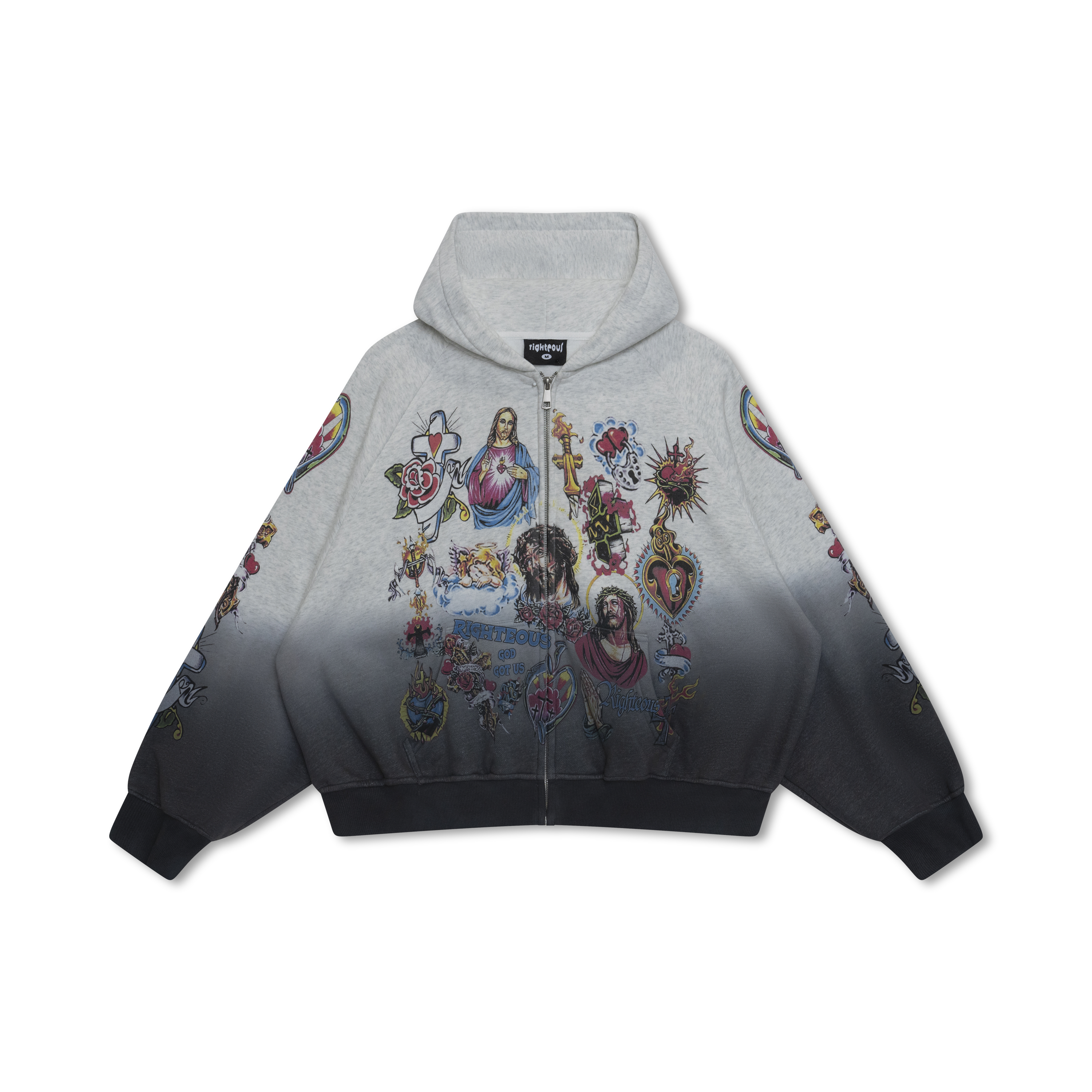
A hooded sweatshirt is one of those pieces that quietly becomes a closet essential, put into rotation more often than most people admit when they first buy it. When you’ve spent your cash on a piece from a righteous clothing brand, the way you launder, tumble or air dry, and stow it will dictate whether it remains crisp and clean in two years or starts to sag and fade after two months. Care habits matter more than most shoppers realize, and small mistakes compound quickly across dozens of wash cycles. This guide breaks down exactly how to protect a righteous hoodie so the fit, print, and fabric hold up wash after wash. Included below are notes on washing heat, drying methods, stain response, and storage over time, along with a table that compares how different habits affect longevity. Nothing here is difficult, though it does demand steady follow-through, and that’s exactly where most people slip up.
Here’s Why Caring for Your Hoodie Truly Makes a Difference
When mistreated, that cotton-and-fleece material — a fixture of premium streetwear — breaks down faster than expected. Excess heat is the chief threat — washing hot and drying on high shrink fibers, crack printed graphics, and lead to pilling on the soft interior nap. Fit and print quality are among the most celebrated qualities, as anyone who’s scanned a righteous review or checked feedback for a righteous clothing brand will tell you — and both are the underground streetwear first things to degrade under poor care. A hoodie washed in cold water and air-dried can reasonably hold up for 3 to 5 years of regular wear before displaying real signs of damage. After just 15 to 20 wash cycles, that same hoodie if hot-washed and high-heat dried often begins to shrink and pill, sometimes giving up as much as 5% of its original dimensions. That’s a noticeable difference in how the sleeves and body sit, especially on roomy, boxy shapes that shape much of today’s streetwear aesthetic going into 2026.
Worth mentioning too is a cost-related side worth this. Having to replace a hoodie annually because of preventable wear ends up pricier over five years than a single hoodie cared for properly the whole time. Righteous apparel is designed with heavier weight fabric, usually falling between 350-450 GSM for hoodies, which carries more density than mass-market basics hovering near 250 GSM. Denser material holds shape better but still needs the right care to prevent matting or too much lint accumulation. Because people ignore the care guidance thinking „it’s just a hoodie,” worthwhile pieces end up in the donation pile sooner than necessary.
A Guide to Washing: Heat Setting, Cleanser Choice, and How Often to Wash
A chilled wash setting, preferably within the range of 30°C and 40°C (86°F to 104°F), is the safest setting for washing a righteous hoodie without placing stress on the fibers or the applied artwork. Cracking graphics and bleeding colors are caused by temperatures above 60°C, particularly on darker dyes that haven’t completely set. Before washing, flip the hoodie inside out — this one simple move shields logos, whether printed or embroidered, from friction against the drum and against zippers or buttons on other garments in the load. Choose liquid detergent over powder, and keep it mild, since powder-based formulas tend to deposit residue in the fleece fibers, hardening the fabric over repeated washes. Skip fabric softener entirely; it coats cotton fibers with a waxy layer that ends up diminishing the fleece’s softness over time, which is surprising yet thoroughly confirmed in textile care research.
It also matters how frequently you launder the piece. Hoodies, unlike tees, don’t demand laundering after each single use, since they seldom sit against your skin for extended stretches. Washing every 3 to 4 wears is typically enough unless heavy sweating has occurred or the piece has visible stains. Excessive washing ranks as one of the surest ways to age a righteous hoodie before its time — every wash cycle puts mechanical strain on the fibers, so even a 30% cut in unneeded washes can add real time to the garment’s usable life. Make it a rule to wash like colors together, and keep aside any pieces with zippers, studs, or abrasive hardware that might catch on the fleece lining.
The Right Way to Dry Without Ruining the Fit
Especially for any hoodie, drying it flat remains the top-tier approach—this matters most for thicker, weightier garments from a we are righteous collection, given that the GSM runs high enough that hanging risks stretching the shoulders. Lay the hoodie on a clean towel, restore its shape to its true shape, and let it dry shielded from sunlight, which can fade both fabric color and the printed design with repeated exposure. Complete flat drying generally requires 12 to 24 hours according to humidity and fabric thickness. If you’re in a hurry, running the dryer on low for a reduced cycle — roughly 15 minutes — followed by flat drying to finish is a reasonable middle ground, but high-heat cycles should never touch a hoodie you’d like to last long term.
An easily-forgotten factor is this: overloading the dryer with an oversized load generates patchy drying with extra rubbing, which accelerates pilling. Dry hoodies in smaller loads, preferably 3 to 4 items of similar weight at a time, max. Skip dryer sheets too for the same reason softener isn’t recommended — the coating residue flattens the fleece feel and cuts down breathability. Should a righteous hoodie appear slightly rumpled after drying, a gentle reverse-side iron, or steaming it inside out, will revive the fabric while keeping the printed design on the front safe.
Spot Treatment and Stain Removal
With stains, acting quickly matters most. Blot rather than rub, since rubbing pushes the substance deeper into the fleece fibers rather than lifting it out. When the stain is oil-based, a small amount of dish soap applied right onto it and rested for 5 to 10 minutes ahead of washing beats an immediate full wash. With ink or dye transfer, a cotton swab dipped in rubbing alcohol, tested first on an inside seam, can remove the mark without damaging the fabric around it. Never use bleach on colored or printed hoodies — contact with even watered-down bleach can leave lasting discoloration near graphics in mere seconds.
Grass stains and mud, common on outdoor-worn apparel, respond well to a pre-soak in cold water with a stain-specific enzyme cleaner for 20 to 30 minutes before the regular wash cycle. Make it a habit to examine the affected area after washing but before drying — heat locks stains in for good, so should a stain still show after the wash, treat it again rather than putting the garment in the dryer. This patience saves hoodies that would otherwise be written off as ruined after a single accident.
Storing Hoodies for the Long Haul
Rather than hanging, folding is the smarter storage choice for hoodies, since months of hanging by the shoulder area can pull the neckline and seams out of shape under the garment’s own weight. A cool, dry space out of direct light, be it a shelf or drawer, is where folded hoodies should be kept, preventing fading and the stale odor that develops in damp conditions. Nearby cedar blocks or lavender sachets assist in deterring moths, which are drawn toward natural fibers used throughout most righteous garments. Every 6 months, rotate seasonal storage if your area has a true off-season, and never store hoodies unwashed — oils from skin and overlooked food residue draw pests and cause yellowing over time, even if no stain is visible when stored.
For anyone building a small capsule collection around a we are righteous brand aesthetic, spacing hoodies loosely in storage rather than compressing them tightly under other garments preserves the loft of the fleece interior. Vacuum-sealed bags are convenient for space-saving but can flatten fleece permanently if left compressed for more than a few weeks, so they’re better suited for short-term travel packing than year-round storage.
Comparison Table: Care Routine Impact
| Maintenance Practice | Preferred Technique | Ineffective Approach | Projected Effect on Lifespan |
|---|---|---|---|
| Washing Temperature | Cold, 30-40°C | Hot, above 60°C | Adds 2-3 years to lifespan |
| Drying Method | Dry flat in open air | High-heat machine drying | Limits shrinkage to a maximum of 5% |
| How Often to Wash | Every 3 to 4 wears | After every wear | Reduces fiber stress by ~30% |
| Kind of Detergent | Liquid detergent, mild formula | Powder detergent with fabric softener | Preserves softness and print integrity |
| Storage | Kept folded in a cool, dry place | Long-term hanging or compression storage | Avoids distortion at seams and shoulders |
Last Words on Maintaining the Value of Your Purchase
Looking after a righteous hoodie doesn’t mean coddling the item — it’s about being clear on what really leads to damage and steering clear of those particular mistakes without fail. The heavy lifting is done by cool-water washing, gentle drying, quick stain response, and thoughtful storage, working together, and none of these steps take considerable extra time once they are built into a routine. It’s easy to notice, reading through a we are righteous review, how frequently build quality and fabric weight come up for praise, and that standard is worth preserving through the way the piece is genuinely cared for at home. A hoodie that’s looked after well doesn’t just last longer physically; it continues to appear deliberate and current rather than tired, which matters for a piece meant to anchor a wardrobe rather than blend in unnoticed. Treat the fabric with the same attention paid when choosing it in the first place, and a righteous hoodie purchased in early 2026 has every reason to still look sharp well beyond that year.